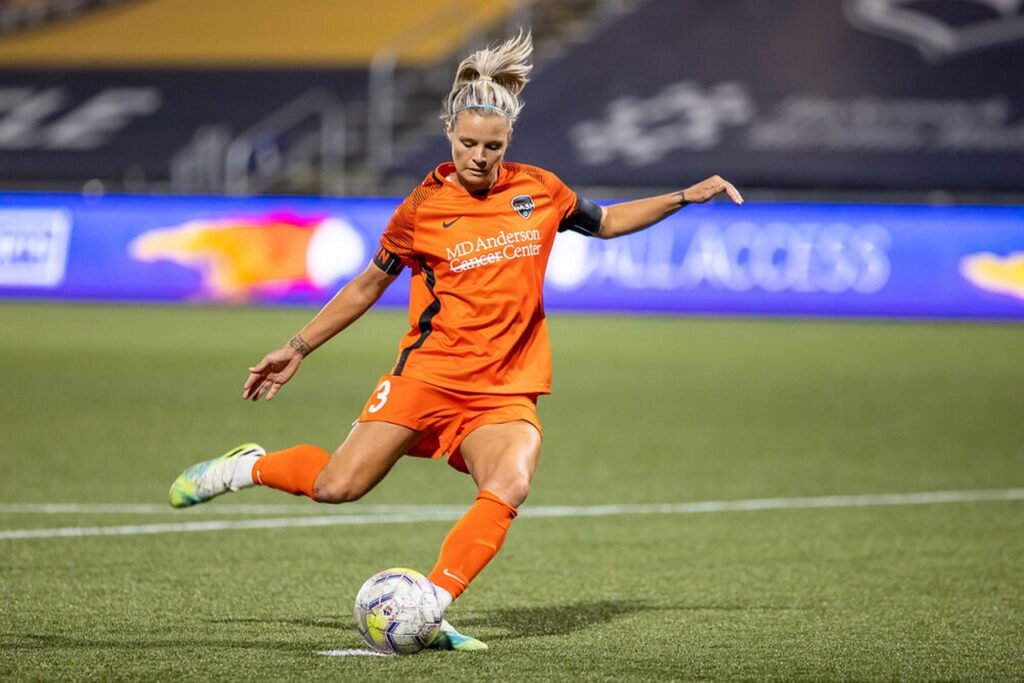
Preseason Preparation for Young Athletes: Building a Strong Foundation

SPORTS INJURIES: 25 CHALLENGES YOUNG ATHLETES EXPERIENCE
July 9, 2025
In-Season Maintenance: Staying Consistent and Injury-Free
July 11, 2025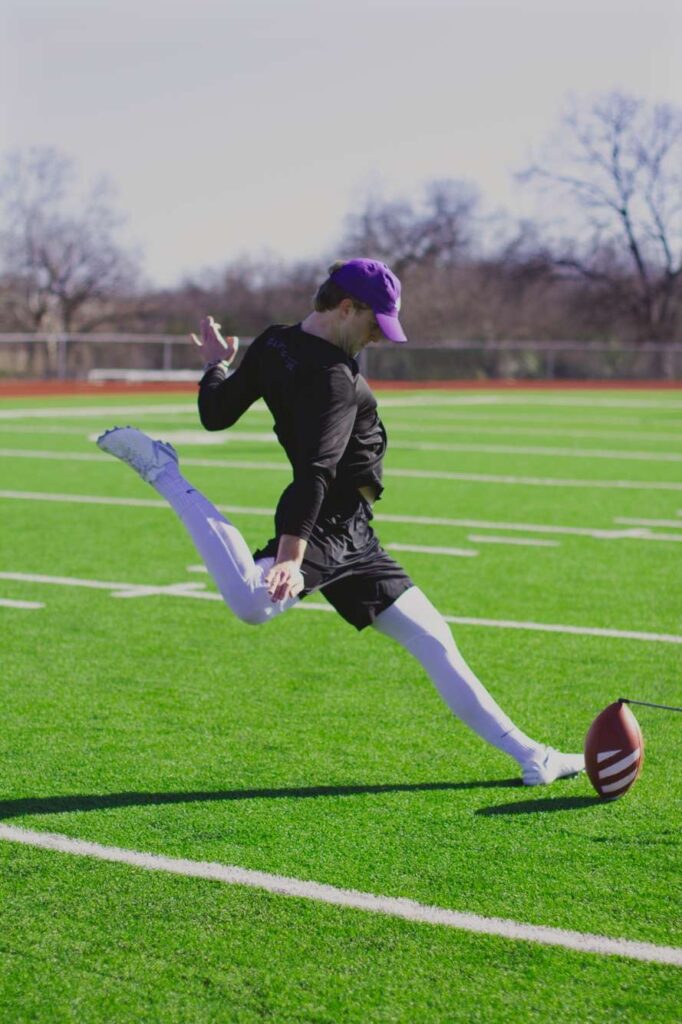
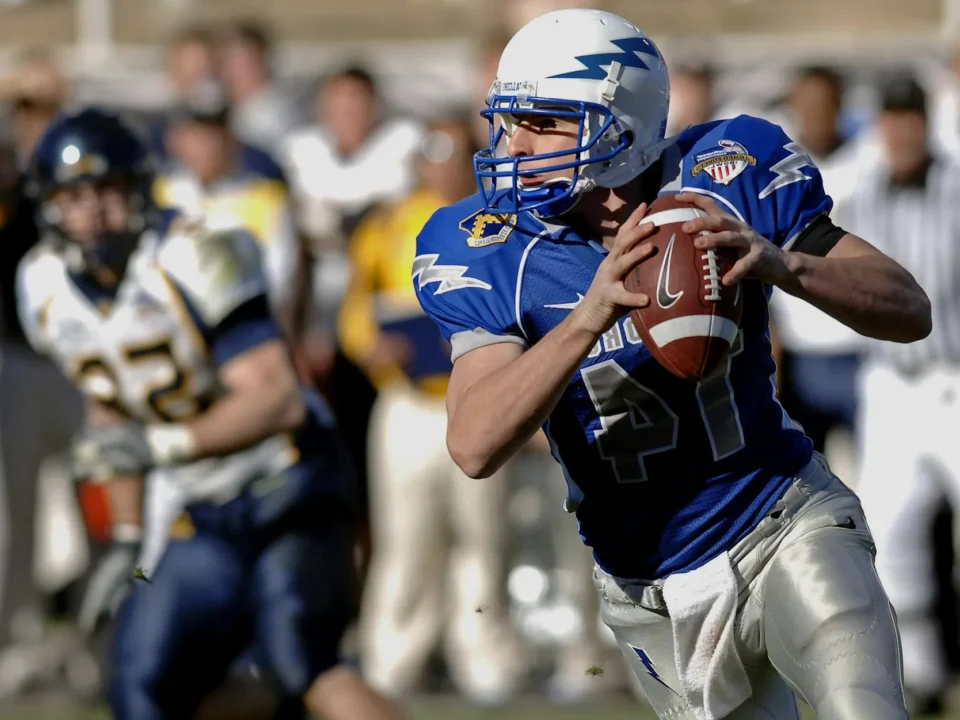
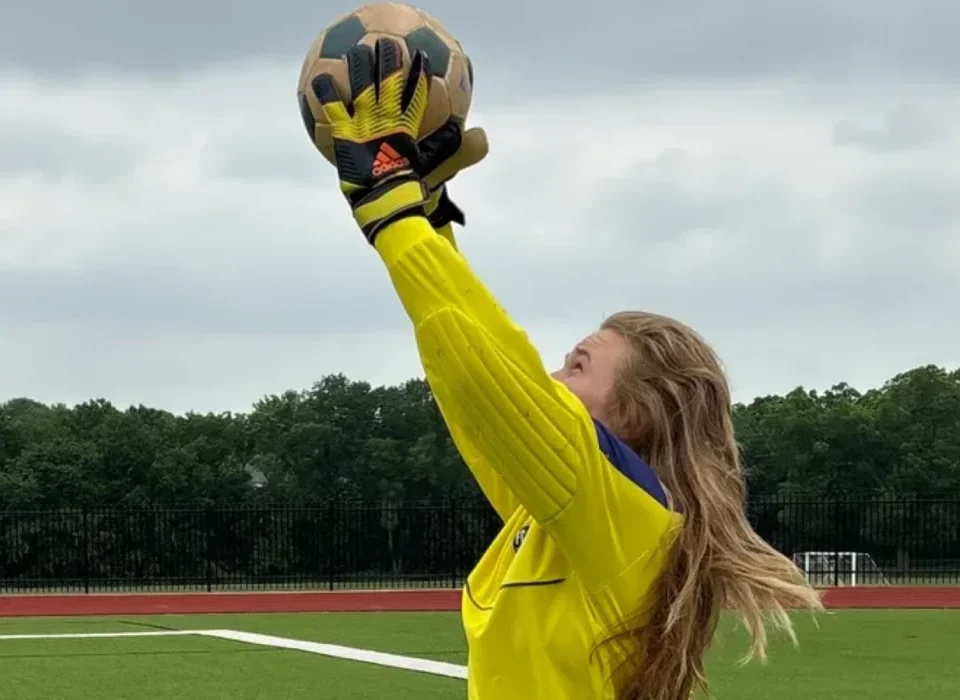
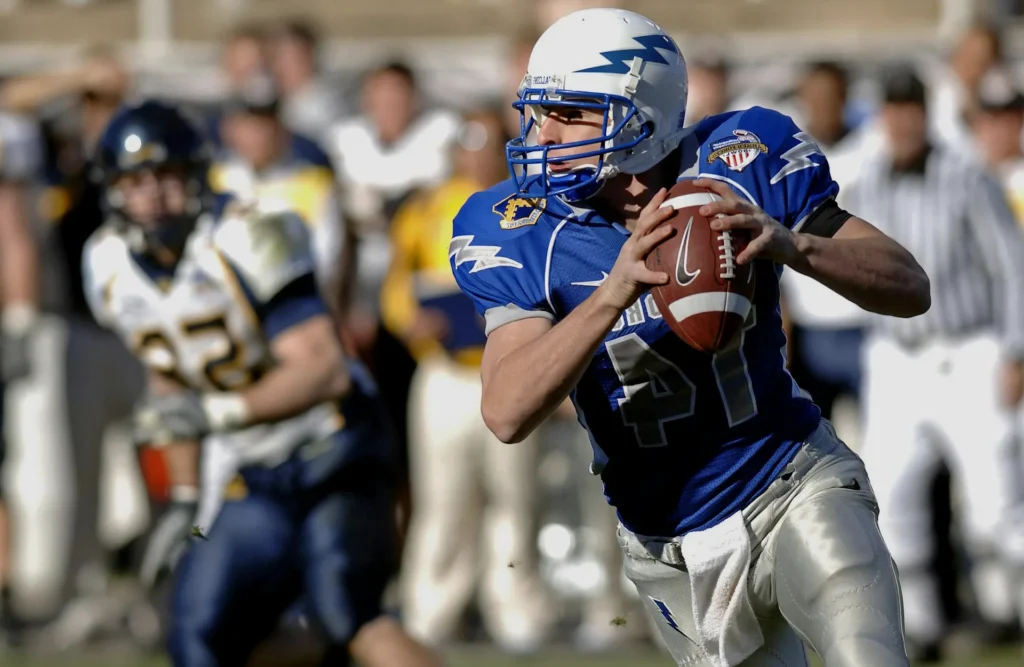
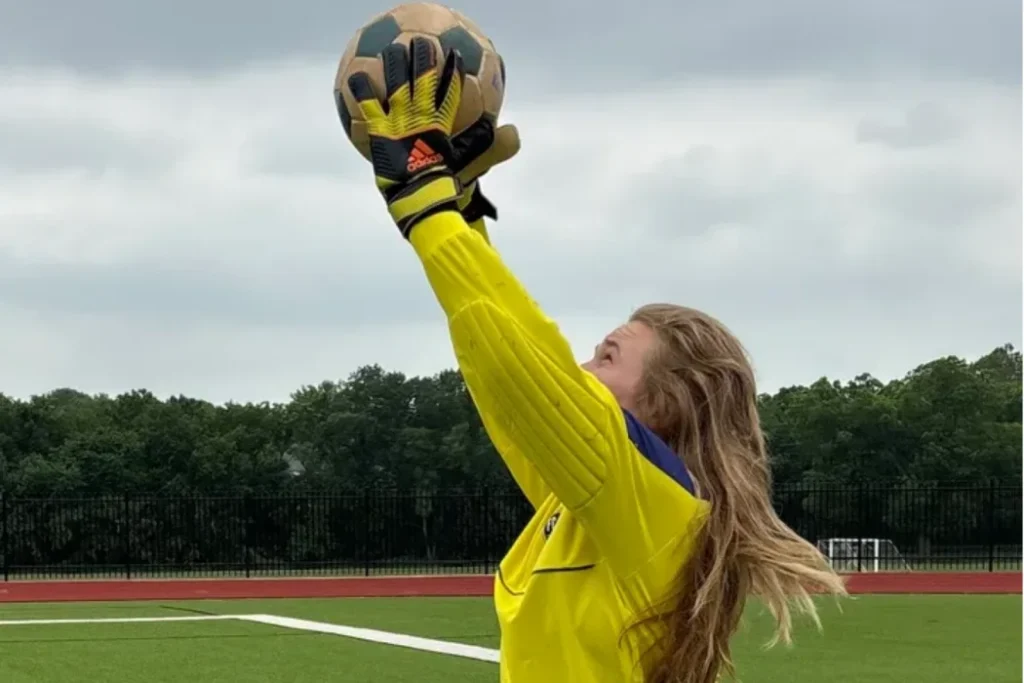
For athletes aged 11 to 16, the preseason represents not just a fresh start, but an opportunity to lay the groundwork for a successful year in sport. Whether their passion lies in tennis, football, swimming, or soccer, building a robust foundation during this critical period goes far beyond the physical. A truly effective preseason program weaves together targeted physical conditioning, mental fortitude, clear goal setting, and a mindful balance of motivation and recovery. In this post, we will discuss Preseason Preparation for Young Athletes: Building a Strong Foundation. You’ll learn what we focus on at Zepeda Sports Performance to help you realize your goals, avoid injury, and access your best athletic self.
Physical Conditioning: More Than Just Fitness
At its core, preseason training is about preparing the body for the demands of competition. However, for young athletes, physical conditioning should be approached with special care and a long-term perspective, ensuring healthy growth and minimizing injury risks.
- Progressive Overload and Age-Appropriate Loads: We start with basic exercises tailored to the athlete’s current capabilities, then gradually increase intensity. For example, in soccer and football, begin with bodyweight strength exercises—like squats and lunges—before introducing light resistance bands. In swimming and tennis, focus on endurance drills and agility work before more advanced plyometrics.
- Mobility and Flexibility: Sessions include dynamic stretching and mobility drills, which are crucial for sports involving multidirectional movement. Yoga or simple active stretching can help maintain joint health, improve range of motion, and aid recovery.
- Balance and Coordination: These skills are especially important for athletes transitioning through puberty, when growth spurts can temporarily disrupt coordination. Include drills such as ladder runs, balance board routines, or single-leg exercises to help young athletes maintain body awareness.
- Sport-Specific Conditioning: While general fitness forms the base, incorporating drills that mimic the physical demands of the chosen sport is crucial. For tennis players, agility ladder work and explosive sprints mirror court movements; for swimmers, dryland exercises bolster stroke efficiency and core strength.
Balancing Intensity and Avoiding Overtraining
The drive to improve can lead young athletes (and their supporters) to push too hard. However, the risks of overtraining—fatigue, falling motivation, increased injury likelihood—are real and can sideline progress. Athletes, pay attention to the following suggestions and professional advice:
- Structured Training Schedules: Limit intense sessions to 3-4 days a week. Supplement with lighter recovery days focusing on flexibility, light aerobic activity, or fun cross-training (like cycling, hiking, or non-competitive games).
- Listen to the Body: Recognize signs of overtraining: persistent soreness, irritability, trouble sleeping, and declining performance. Encourage open communication with coaches and caregivers so adjustments can be made promptly.
- Rest and Recovery: Prioritize at least one full day off per week and ensure adequate sleep (8-10 hours for this age group). Recovery strategies such as foam rolling, massage, and gentle stretching can further aid muscle repair.
Mental Preparation: Sharpening the Mind
Physical prowess alone does not guarantee success. The mental aspect of preseason preparation is equally vital, fostering resilience, focus, and enjoyment.
- Visualization Techniques: Mentally rehearse key skills or game scenarios. For example, a swimmer might picture a perfect dive or turn, while a tennis player imagines a crucial point. This primes the brain for actual performance and boosts confidence.
- Mindfulness and Stress Management: Preseason nerves are natural, especially as competitions draw closer. Simple breathing exercises, journaling, or short mindfulness sessions can help young athletes manage anxiety and stay grounded.
- Positive Self-Talk: Reframe setbacks as learning opportunities. Establishing a habit of encouraging inner dialogue helps maintain motivation and perseverance, even when progress stalls.
Goal Setting: The Compass of Progress
Purposeful goal setting provides direction, benchmarks growth, and sustains motivation throughout the season.
- SMART Goals: Identify and set Specific, Measurable, Achievable, Relevant, and Time-bound goals. Instead of “improve at soccer,” a more effective goal might be, “Increase successful passes by 20% during practice over the next six weeks.”
- Short and Long-Term Planning: Pair immediate objectives (e.g., mastering a new swim stroke) with longer-term ambitions (qualifying for a certain competition or achieving a personal record). Celebrate small milestones to reinforce progress.
- Team and Individual Goals: Balance personal aspirations with team objectives. In football or soccer, for example, athletes might set collective goals for defensive improvement or team spirit, alongside their individual targets.
Fostering Motivation: Keeping the Fire Alive
Sustained motivation is the thread that ties all preseason efforts together.
- Vary Training Sessions: Mixing up routines keeps training engaging. Alternate between technical drills, friendly scrimmages, or even team-building activities to maintain excitement.
- Build a Support Network: Strong encouragement from coaches, teammates, and family can make all the difference. Regular feedback, recognition, and a culture of positivity help young athletes push through challenges.
- Encourage Passion Over Perfection: Loving the game outweighs flawless execution. Fun should remain a central pillar, particularly for this developing age group.
Conclusion
Preseason preparation for young athletes is about building a strong, versatile foundation—physically, mentally, and emotionally. By balancing challenging workouts with adequate recovery, nurturing the mind alongside the body, and guiding athletes toward meaningful goals, parents and coaches can help youth in tennis, football, swimming, and soccer thrive both on and off the field. The habits and lessons instilled during these formative years will echo throughout their athletic journey and beyond.