In-Season Maintenance: Staying Consistent and Injury-Free

Preseason Preparation for Young Athletes: Building a Strong Foundation
July 10, 2025
Off-Season Recovery: Rest, Reflect, and Rebuild
July 11, 2025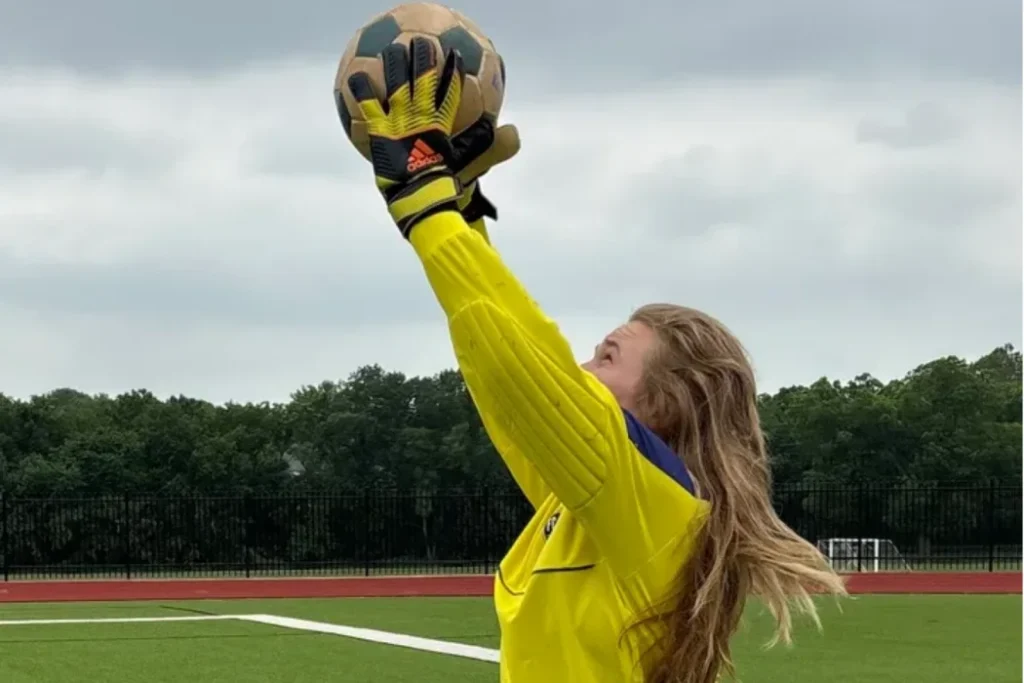
Balancing Performance, Recovery, and Mindset for Young Athletes – For young athletes between the ages of 11 and 16, the peak of the sports season is both exhilarating and challenging. The excitement of high-stakes competitions, the pressure to perform, and the rigors of training can take a toll on both body and mind. Whether you’re chasing goals on the soccer field, slicing through water in the pool, or battling it out on the tennis court, staying consistent and injury-free during the season demands a thoughtful approach. Here’s how you can balance training and recovery, manage mental stress, and maintain unwavering focus no matter your sport.
Balancing Training and Recovery
Why Balance Matters
For athletes, especially those still developing physically and mentally, the temptation is often to train harder, longer, and more frequently. However, more isn’t always better. Overtraining can lead to fatigue, reduced performance, and increased injury risk. In soccer, for example, pushing through soreness might seem brave, but it can result in muscle strains or even season-ending injuries. The same applies in swimming and tennis, where the repetitive nature of movement can cause overuse injuries if not monitored closely.
Structuring the Training Week
A smart training schedule alternates between high-intensity sessions and periods of active recovery. In soccer, this might mean focusing on tactical drills or light technical work the day after an intense match. Swimmers can benefit from “recovery swims”—sessions at a gentle pace that promote circulation and muscle repair. For tennis players, rotating between footwork, strokes, and strategy on different days helps prevent both physical and mental burnout.
- Soccer Example: After a hard match, schedule a light session with stretching, yoga, or even a fun game of soccer-tennis to keep athletes moving without the physical toll of full-contact play.
- Swimming Example: Swimmers can incorporate stretching and mobility work on “easy days,” using foam rollers and resistance bands to ease muscle tension.
- Tennis Example: Young players might replace a second daily practice with a video review of their matches, learning while resting physically.
Recognizing the Signs of Overtraining
It’s crucial for athletes and parents to spot the warning signs of overtraining: persistent soreness, lack of enthusiasm, irritability, or trouble sleeping. Coaches should build open communication channels, encouraging athletes to speak up when something doesn’t feel right.
Embracing Rest and Sleep
Rest days aren’t just about doing nothing—they’re about letting the body rebuild. Consistent, high-quality sleep (8-10 hours for this age group) is vital for muscle repair, cognitive function, and overall mood. Encourage athletes to develop a sleep routine: winding down with reading, gentle stretching, or meditation rather than screens.
Managing Mental Stress During Competitions
The Emotional Rollercoaster
Competing is thrilling, but it can also be stressful. The pressure to win, fear of mistakes, and balancing school commitments can weigh heavily on young athletes. Mental stress, if unmanaged, can sap enjoyment from sport and hinder performance.
Strategies for Coping
- Mindfulness and Breathing: Simple breathing exercises before a match or meet can calm nerves. Swimmers, for example, can practice deep belly breaths behind the blocks to center themselves before a race.
- Positive Self-Talk: Teach athletes to replace negative thoughts (“I always mess up my serve”) with affirmations (“I am prepared and ready”). In tennis, players can create a mantra to repeat between points, building confidence and focus.
- Visualization: Soccer players can spend a few quiet minutes picturing themselves making successful passes, scoring goals, or defending with skill. Visualization primes the mind for success and reduces anxiety.
- Seeking Support: Encourage athletes to talk about their feelings with coaches, parents, or teammates. Sometimes just knowing others share similar anxieties can be comforting.
Managing Expectations and Avoiding Burnout
Athletes remember, your worth isn’t tied to winning or statistics. Focus on personal improvement, effort, and team spirit. Celebrate progress, not just outcomes. When you enjoy the process, you’re less likely to burn out and more likely to stay in sport for the long run.
Maintaining Focus Throughout the Season
Setting Short-Term Goals
The sports season can feel long, especially for young people juggling school, friends, and family. Setting small, achievable goals helps athletes stay motivated and measure progress. In swimming, this could be mastering a new turn; in tennis, improving the consistency of a backhand; in soccer, working toward better communication on the field.
Routines and Rituals
Pre-game and pre-practice routines help signal to the brain that it’s time to focus. Swimmers might listen to a favorite playlist or go through a specific warm-up sequence. Soccer players may have a particular way of lacing up their cleats or packing their gear bag. These rituals create a sense of familiarity and readiness.
Staying Engaged When Things Get Tough
Inevitably, every athlete hits a rough patch—a losing streak, injury, or slump in motivation. When this happens, remind athletes to focus on what they can control: effort, attitude, and preparation. In tennis, if a player is struggling with serves, breaking the skill down into smaller steps and celebrating incremental improvements can make the challenge feel manageable.
Conclusion
The Path to Consistency and Longevity – In-season maintenance isn’t about pushing to the limit at all costs. It’s about balance, self-awareness, and keeping the joy of sport alive. For athletes aged 11-16, learning how to listen to their bodies, manage stress, and maintain focus lays the foundation for a lifelong love of sport—and for success, both on and off the field.
By alternating training and recovery, embracing mental skills, and focusing on process over results, young soccer players, swimmers, and tennis enthusiasts can enjoy their sport fully while staying injury-free. Remember: the most successful athletes are not always those who work hardest, but those who work smartest—and who care for their whole selves along the way.