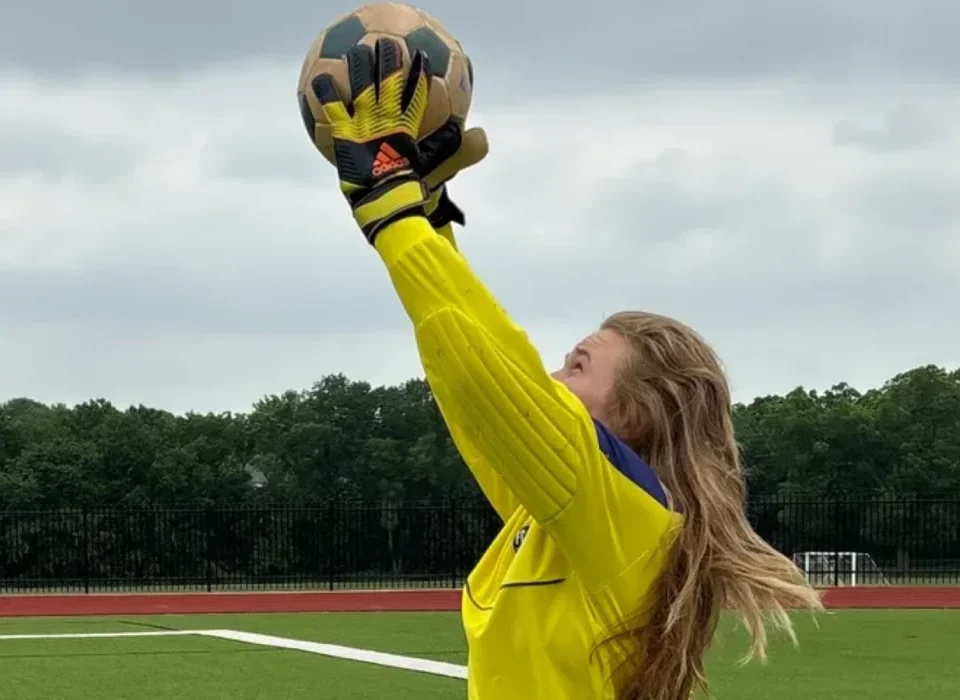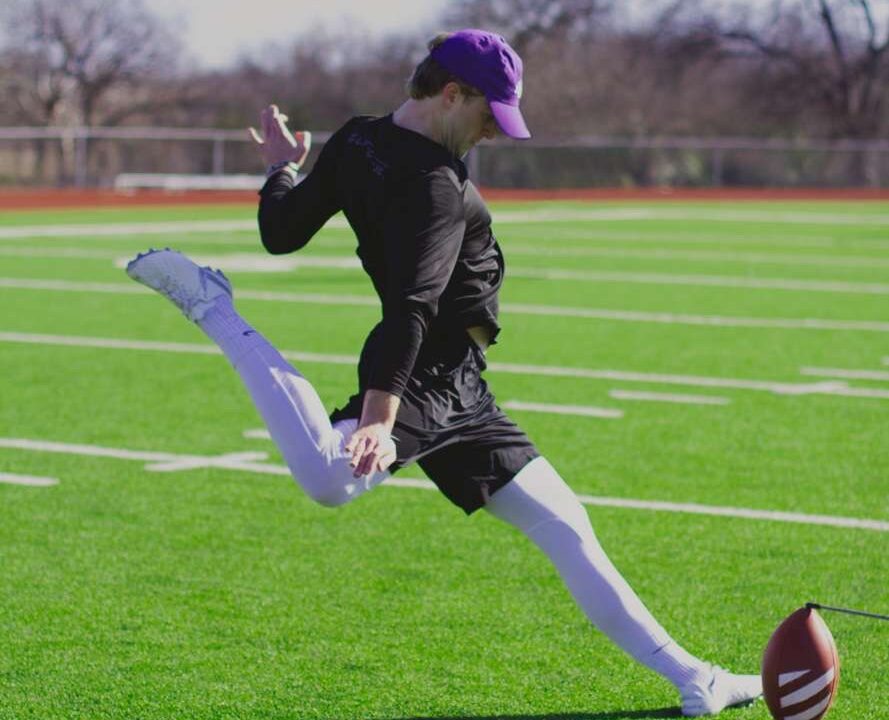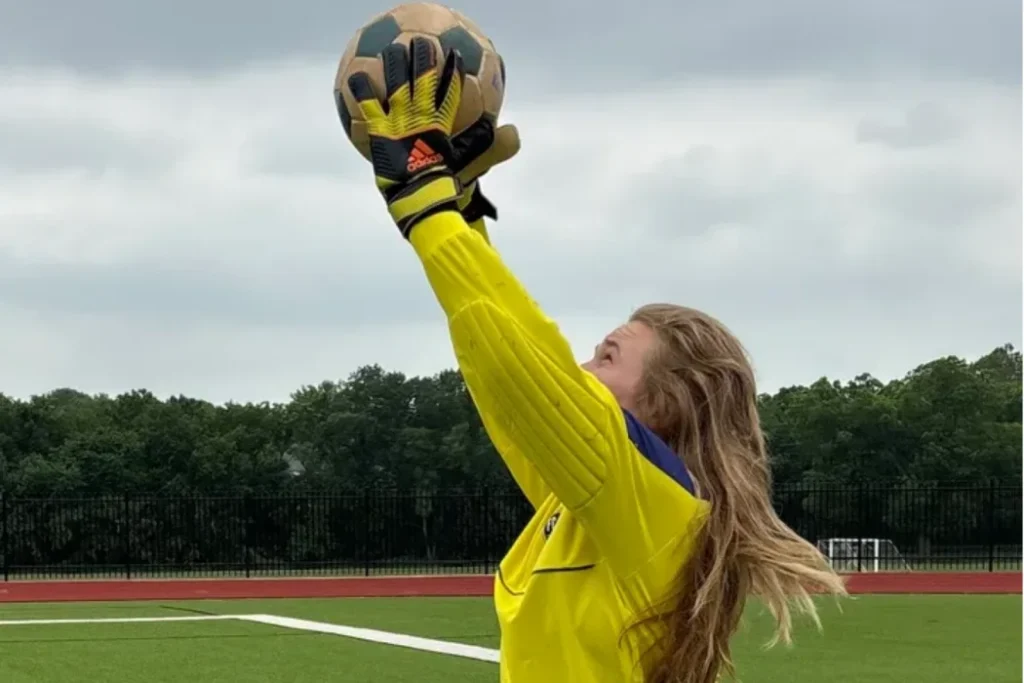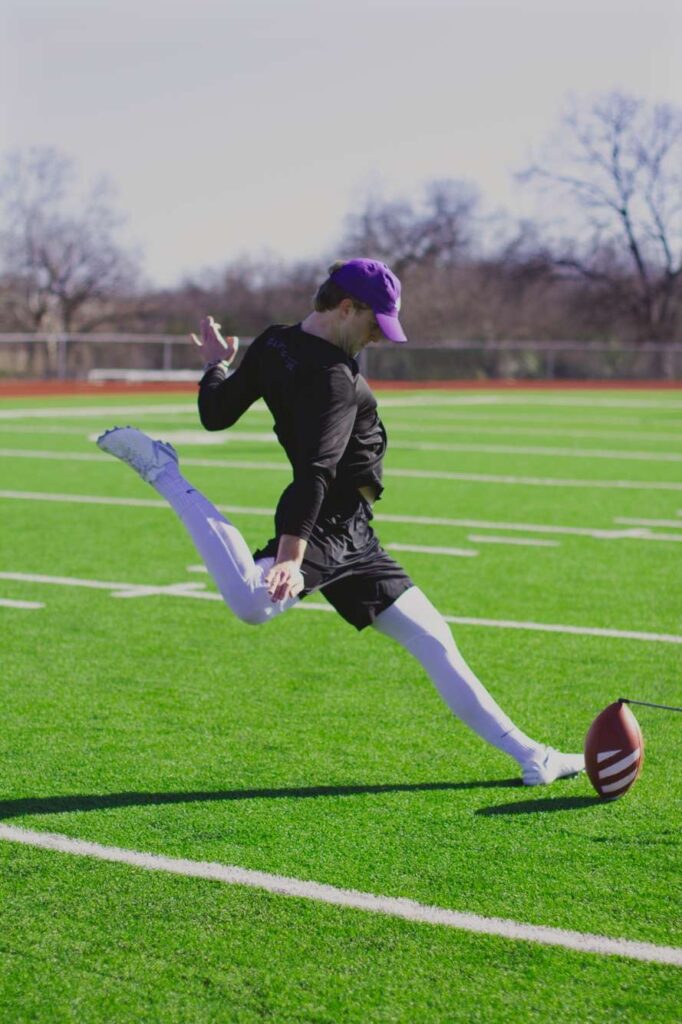
Off-Season Recovery: Rest, Reflect, and Rebuild

In-Season Maintenance: Staying Consistent and Injury-Free
July 11, 2025
The Young Athlete’s Guide to Thriving Beyond Competition – The off-season is more than just a break from competition—it’s a transformative period that can shape not only their performance on the field, court, or track, but also their long-term relationship with sports. Far from being a time to neglect training or lose focus, the off-season is an essential opportunity to rest, reflect, and rebuild. By understanding the importance of true rest, embracing cross-training, and setting thoughtful new goals, young athletes can return to their sport stronger, healthier, and more motivated than ever. Equally important are mental relaxation and strategies to avoid burnout, which can keep the joy in the game for years to come.
The Importance of Rest
Let Your Body Recover
The demands placed on a young athlete’s body are immense. Hours of practice, games, and tournaments test muscles, joints, and the mind. Without proper rest, the risk of overuse injuries—like stress fractures or tendinitis—increases, as does the likelihood of mental fatigue. The off-season is your body’s chance to heal small injuries and rebuild itself even stronger.
- Embrace Sleep: Aim for 8–10 hours of sleep per night. Sleep is when your body does most of its repairing and growing, especially important for athletes still in their adolescent growth spurts.
- Active Rest: Not all rest means inactivity. Light activities like walking, swimming, or leisurely bike rides promote blood flow and help muscles recover.
- Listen to Your Body: If you feel soreness or fatigue, honor those signals. It’s okay to take complete rest days—your future self will thank you.
Reflection: Learning from the Past Season
Time to Look Back—and Learn
The off-season offers a unique pause button—a chance to reflect on what went well, what could be improved, and what truly excites you about your sport. This reflection isn’t about picking apart every mistake, but about noticing patterns and setting intentions for the future.
- Keep a Journal: Write about your favorite moments and toughest challenges from the season. What made you proud? What frustrated you? Honest reflection builds self-awareness.
- Ask for Feedback: Coaches and teammates can offer valuable perspective. Ask, “What did you notice about my strengths and areas for growth?”
- Celebrate Achievements: Whether you scored the winning goal or simply improved your personal best, recognize the progress you made.
Rebuild: The Power of Cross-Training
Build a Stronger, More Resilient Athlete
Cross-training—participating in different sports or physical activities—helps young athletes become more well-rounded and reduces the risk of injury. It also keeps the mind engaged and fights off boredom.
- Try New Sports: If you’re a soccer player, try swimming or yoga. Basketball players might enjoy tennis or dance. Each sport challenges your body in new ways, developing coordination, balance, and flexibility.
- Strength and Conditioning: Off-season is a great time to build general strength. Focus on bodyweight exercises, resistance bands, or light weights with supervision. Remember, form comes before weight!
- Flexibility and Mobility: Stretching, Pilates, or even martial arts can improve your range of motion and help prevent injuries.
Setting New Goals: Fresh Motivation
Stay Inspired with Purposeful Goals
The off-season is the perfect time to set new goals. These aren’t just results like “win more games,” but should also focus on the process—what you’ll do day by day to become a better athlete and teammate.
- SMART Goals: Make goals Specific, Measurable, Achievable, Relevant, and Time-bound. Instead of “get faster,” try “improve my 100m sprint time by 0.5 seconds over the next two months.”
- Balance Skill and Fun: Don’t lose sight of why you started playing. Set at least one goal that’s purely about enjoyment—maybe learning a trick shot or playing a friendly game with friends.
- Share Your Intentions: Let a coach, parent, or teammate in on your goals. They can help keep you accountable and offer encouragement along the way.
Tips for Mental Relaxation
Rest Your Mind as Much as Your Muscles
Physical rest is only part of the equation. The pressures of competition, balancing sports with school and friendships, and managing expectations can take a toll on mental health—especially for athletes in their teens.
- Mindfulness and Meditation: Even a few minutes a day of mindful breathing or guided meditation can reduce stress and boost focus. There are apps and videos designed for young athletes.
- Pursue Hobbies: Spend time drawing, reading, playing music, or exploring nature. Doing something just for you, with no performance pressure, is vital for balance.
- Limit Screen Time: Give your mind a break from constant notifications and social media. This helps you recharge and sleep better, too.
- Talk About Your Feelings: If you feel overwhelmed or anxious, share your thoughts with someone you trust. You’re never alone—most athletes experience ups and downs.
Strategies to Avoid Burnout
Keep the Flame Alive
Burnout—a state of physical and emotional exhaustion—can happen when athletes train too hard without enough variation or rest. For young athletes, this can mean losing excitement for the sport they once loved.
- Change Up Your Routine: Add variety to your activities. Try new drills, new sports, or team up with friends for a fun, casual game.
- Take Regular Breaks: It’s okay to take a few days or even a week off entirely. Coming back with fresh energy can make all the difference.
- Watch for Warning Signs: If you feel constantly tired, irritable, or uninterested in your sport, talk to a coach, parent, or counselor. Early recognition helps prevent burnout from escalating.
- Prioritize Enjoyment: Remember, sports are supposed to be fun! Connect with why you started in the first place and make space for laughter and play.
Conclusion
The Gift of the Off-Season
The off-season isn’t simply a break—it’s a gift. It’s a time to rest both body and mind, to reflect on all you’ve achieved, and to rebuild yourself for new challenges ahead. By embracing rest, cross-training, and goal setting, while caring for your mental well-being, you’ll not only return to your sport refreshed—you’ll lay the foundation for a lifetime of healthy, joyful athletic participation. So take this moment seriously, but don’t forget to savor the break. The best is yet to come!